R / RESTORATION
Restoring balance.
Making room for life.
Restoring the balance of Aruba’s marine ecosystem—one carefully monitored step at a time.
WHY THE REEF NEEDS ROOM
An invasion with numbers.
A reef worth defending.
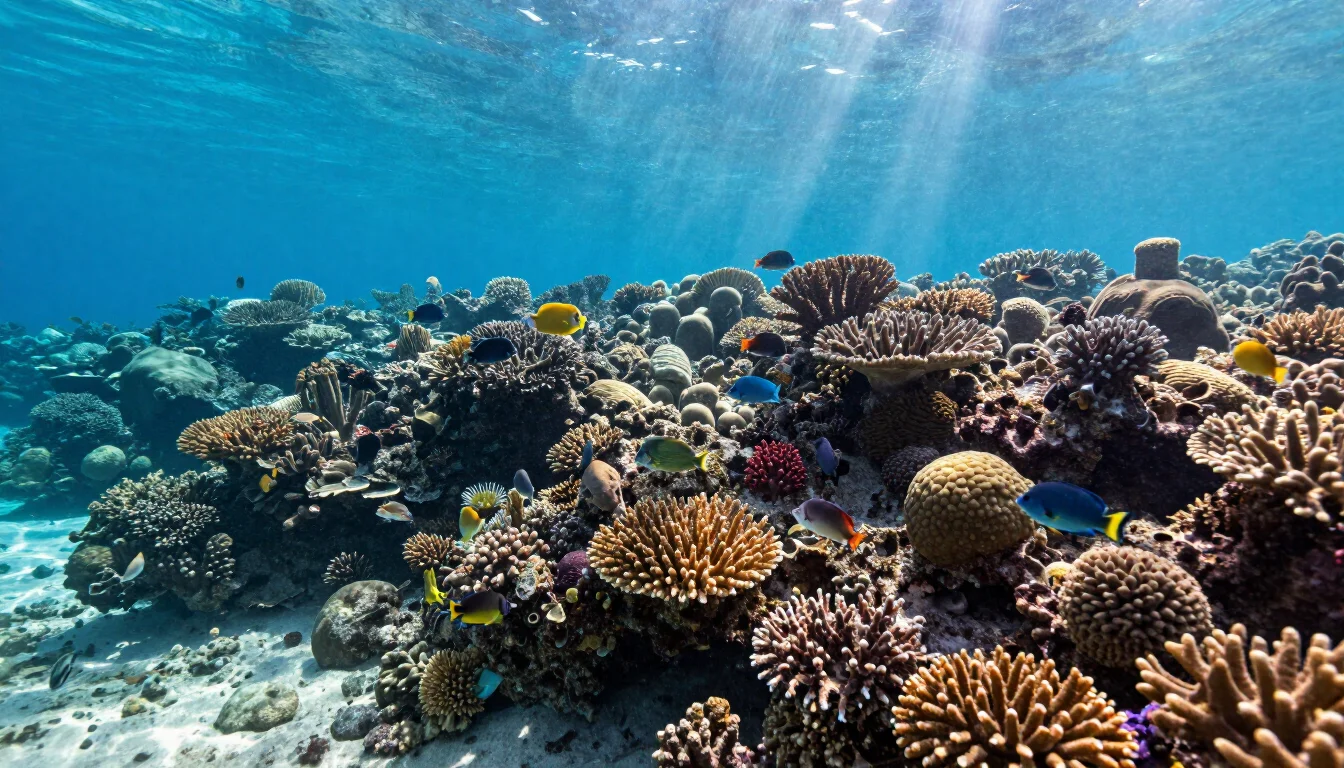
Public science on lionfish pressure, beside the kind of reef community targeted removal is meant to protect.
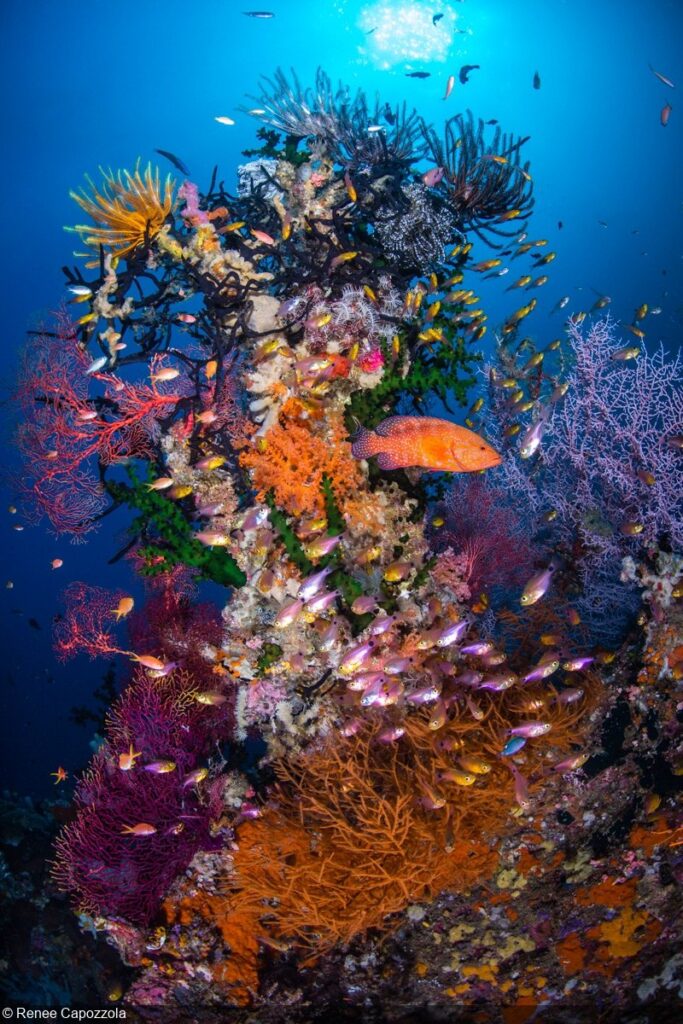
Healthy reef structure, the life lionfish pressure can thin
PHOTO © RENEE CAPOZZOLA
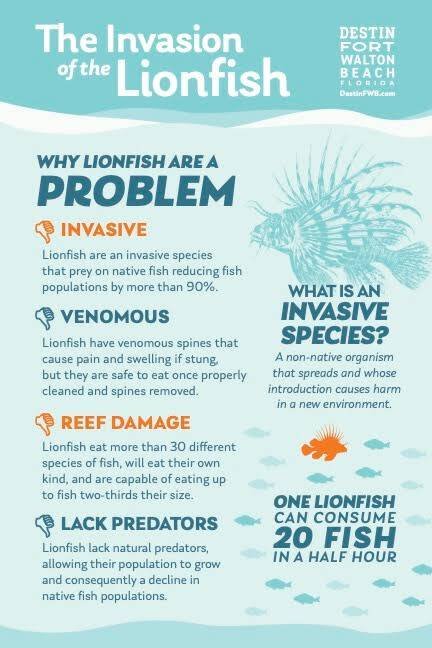
Why lionfish are a problem
DESTIN FORT WALTON BEACH
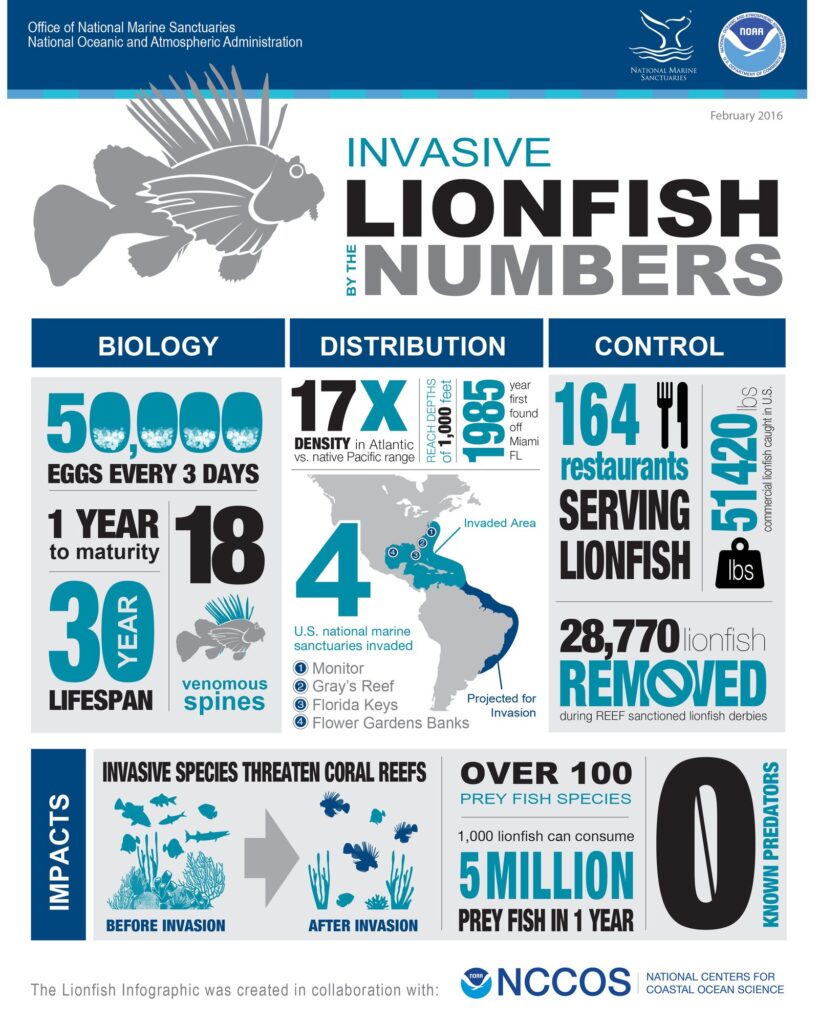
Biology, range, and control
NOAA / NATIONAL MARINE SANCTUARIES
R / RESTORATION THROUGH EVIDENCE
Measure what matters.
Protect what returns.
Our traps are also observation tools. Catch records and camera surveys can show how targeted removal affects deep and shallow reef communities.
Illustrative dashboard · not verified field data
All figures below are fictional examples of the metrics we plan to track. No ecological impact is claimed.
ECOLOGICAL MONITORING / SAMPLE VIEW
Sample monitoring depth
120–300
m
Example lionfish recorded
170
fish
Example mean body length
28.4
cm
ILLUSTRATIVE BIOMASS INDEX
Track pressure over time
Example index from repeated shelf surveys; not a measured reduction.
62
Baseline
48
Trial 1
34
Trial 2
26
Trial 3
Demo index units · real surveys require control sites.
ILLUSTRATIVE CATCH DISTRIBUTION
Every catch tells a story
120–180 m
76
180–240 m
56
240–300 m
38
Fictional counts. The future dataset will link depth, fish length, biomass, and bycatch.
WHAT RECOVERY COULD LOOK LIKE
Not just fewer lionfish.
More life.
We plan to compare camera observations of native juvenile fish, species richness, and reef activity before and after targeted removals. Photography is illustrative; it is not before-and-after proof.
Open science. Honest progress.
Our proposed monitoring framework documents how we intend to collect and review evidence. Validated scientific findings will be published when available.
Download our research framework ↓Planning document (.txt), not a completed scientific study.